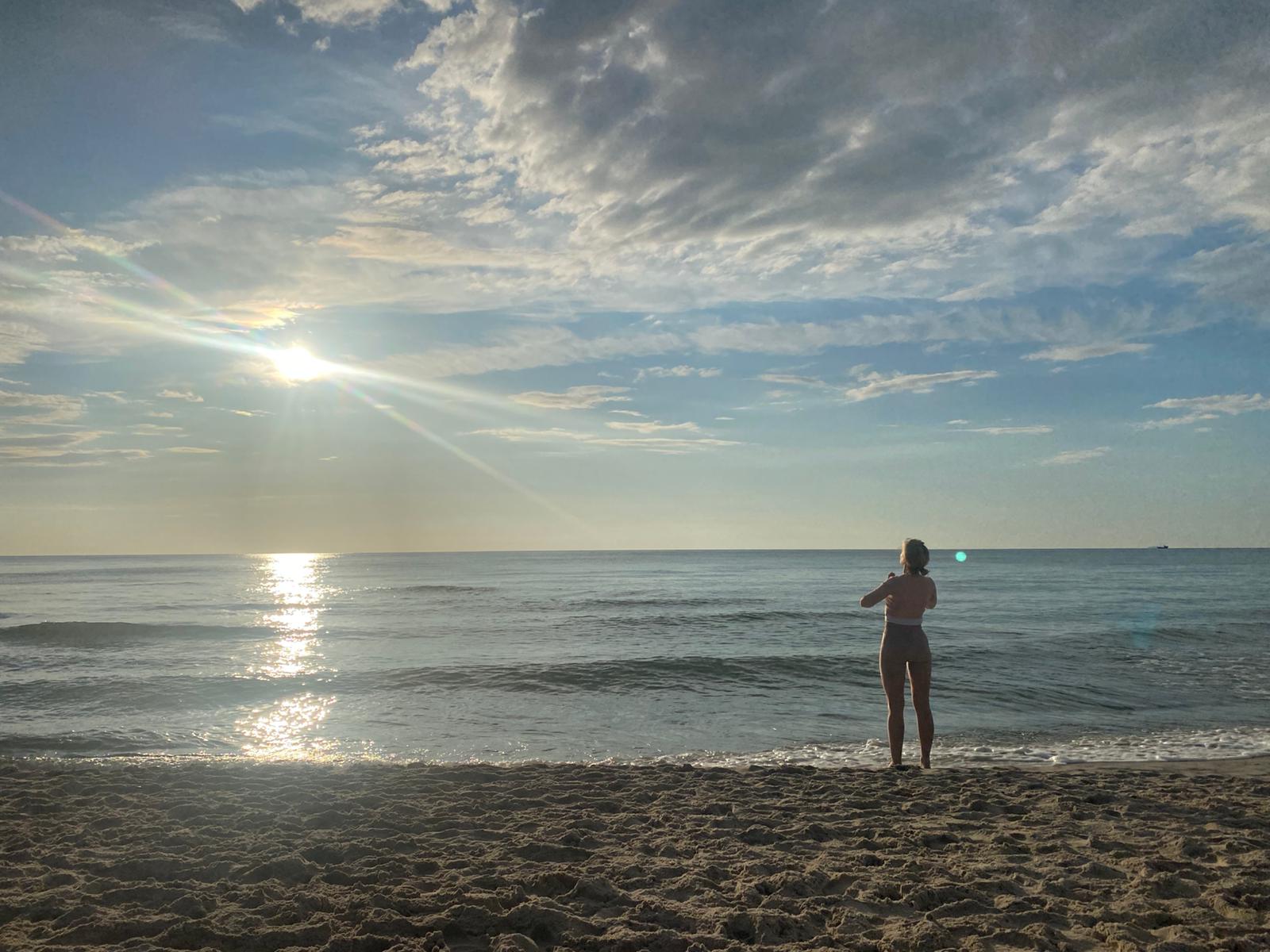
Sardinia is often described through its coastline, its light and its remarkable food. But behind the beauty of the island there is a deeper story: Sardinia is one of the world’s recognised Blue Zones, places where people have become known for exceptional longevity and active lives.
The story is not about one miracle ingredient. It is about a culture built around daily movement, simple food, strong family ties, time outdoors and respect for local produce.
A Blue Zone built by everyday habits
In parts of Sardinia, especially in traditional inland communities, longevity has long been linked with a way of life that is practical rather than fashionable. People moved because life required movement. They ate what the land provided. Meals were social. Food was local, seasonal and rarely overcomplicated.
This is the important lesson: health was not separated from daily life. It was woven into work, family, food and community.
What Ötzi the Iceman reminds us about Sardinia
In 1991, hikers discovered the naturally preserved body of a man high in the Alps. He became known as Ötzi the Iceman. He lived more than 5,000 years ago, in a world where people travelled on foot, endured difficult landscapes and survived through direct contact with nature.
Modern research has shown that Ötzi belonged to early European farming populations, and that modern Sardinians preserve a particularly strong genetic connection to those ancient Mediterranean and Neolithic roots. This does not mean Ötzi was Sardinian. It means Sardinia has preserved an unusually deep link to ancient European history.
For the Authentic Oliv Co story, Ötzi is powerful not because he sells olive oil, but because he reminds us of an older rhythm of life: movement, resilience, natural food and survival through simplicity. Sardinia’s Blue Zone identity carries many of those same ideas into the modern world.
Movement as part of life
Traditional Sardinian life was never built around gyms or fitness trends. Movement came from walking, farming, climbing, carrying, cooking, visiting family and working with the land.
This matters because Blue Zone lifestyles are not about short bursts of effort followed by long periods of inactivity. They are about natural, regular movement repeated every day.
Food that belongs to the land
Sardinian food culture is deeply connected to place. Bread, legumes, vegetables, local cheeses, herbs and extra virgin olive oil have all played a role in the traditional table.
Extra virgin olive oil sits naturally within this pattern. It is not a luxury decoration added at the end. It is part of the way people cook, eat and share food.
The role of extra virgin olive oil
High-quality extra virgin olive oil is valued for flavour, freshness and naturally occurring plant compounds such as polyphenols. In Mediterranean food culture, it helps transform simple ingredients into satisfying meals.
On Sardinia, olive oil is part of a wider lifestyle: vegetables from the land, bread at the table, family conversation, walking in the hills and food prepared with patience.
More than diet
It would be too simple to say Sardinia is a Blue Zone because of one food alone. The truth is stronger than that.
Sardinia’s reputation comes from the combination of many elements: movement, family, community, local food, meaningful routines and a slower relationship with time.
That is why Sardinian extra virgin olive oil should be understood not only as a product, but as part of a culture.
A lesson for modern life
Modern life often pushes people toward speed, convenience and disconnection. Sardinia offers a different lesson.
Eat simply. Move naturally. Share meals. Respect the land. Choose quality over quantity.
At Authentic Oliv Co, this is the story we want to bring to the United Kingdom: not only the flavour of Sardinian extra virgin olive oil, but the values behind it.