Extra Virgin Olive Oil Guide
How to Recognise Genuine Extra Virgin Olive Oil
A simple guide to choosing better olive oil by looking at origin, freshness, flavour, packaging and trust.
QualityFreshnessOriginFlavour
Walk into any supermarket and you will find many bottles labelled as extra virgin olive oil. At first glance, they may all look similar. But genuine quality is not only about the words on the label.
For anyone choosing olive oil for everyday cooking, finishing dishes or gifting, it helps to understand a few simple signs of quality. Good extra virgin olive oil should feel fresh, honest and full of character.
Check the origin
One of the first things to look for is origin. A better olive oil should clearly tell you where it comes from, not hide behind vague wording.
Clear regional identity, producer information and traceability are all positive signs. When the story of the oil is transparent, it usually means the producer is proud of the product.
Look for harvest information
Olive oil is not like wine that improves for years in a bottle. It is closer to a fresh food product. Freshness matters.
High-quality producers often provide harvest information or batch details. The closer the oil is to its harvest and bottling period, the more likely it is to preserve its natural aroma, flavour and plant compounds.
Taste should not be flat
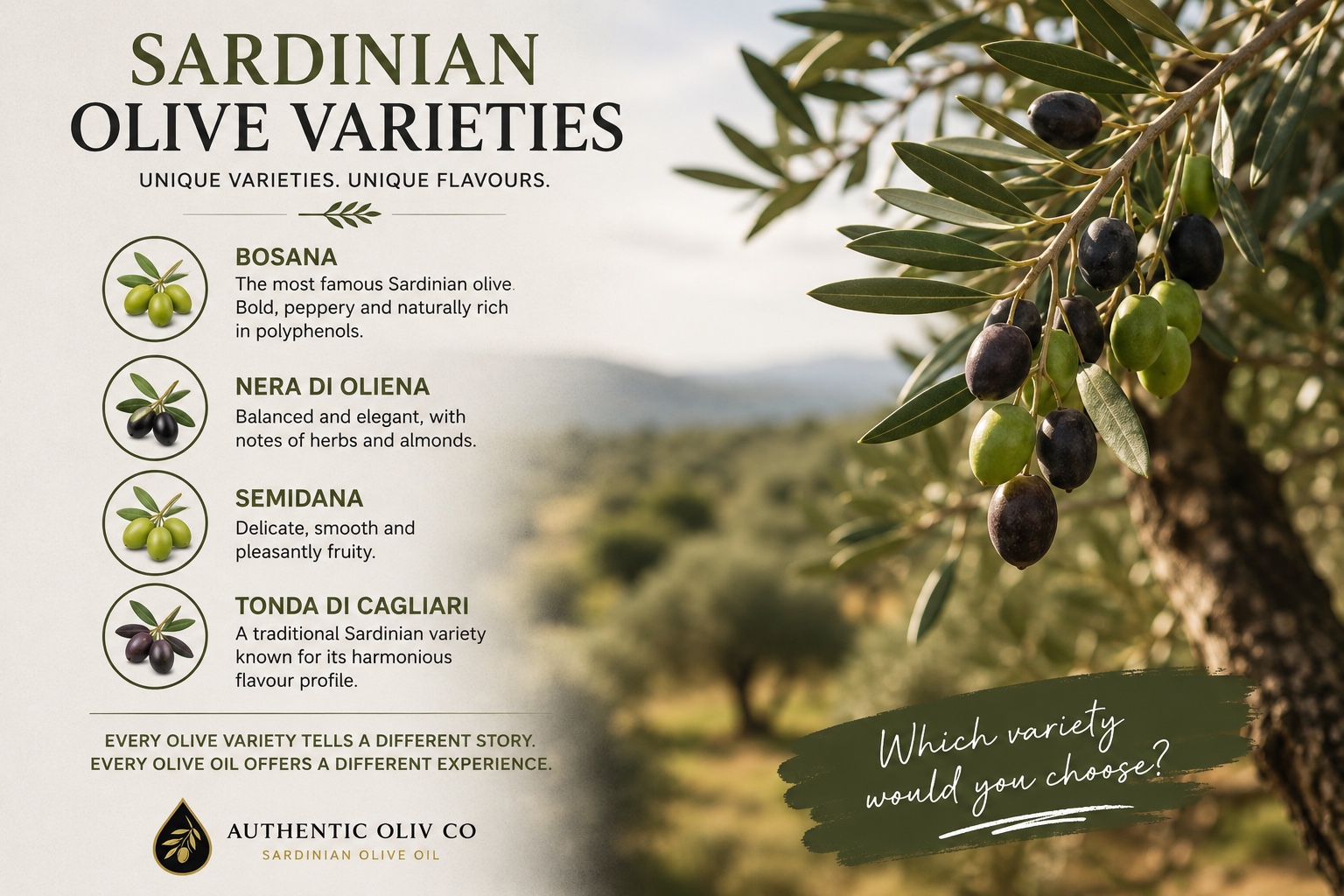
Genuine extra virgin olive oil should not taste completely neutral. Depending on the olive variety and harvest, it may be fruity, grassy, herbal, bitter or peppery.
A light bitterness and a peppery finish are often signs of character. These sensations can come from naturally occurring polyphenols, which are one of the reasons premium oils feel more alive than bland mass-market oils.
Good olive oil should add something to the food, not disappear into the background.
Packaging matters
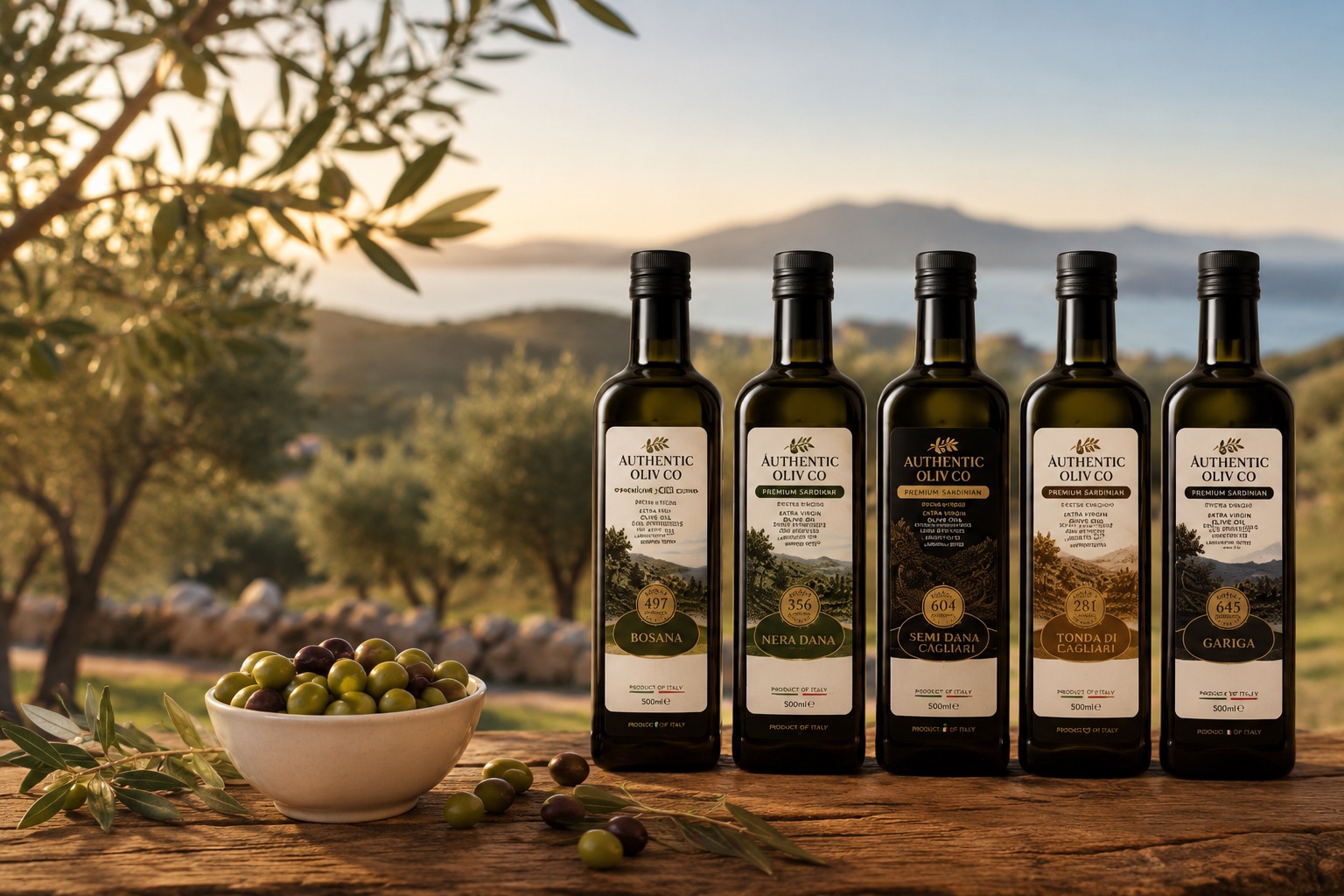
Light, heat and air can damage olive oil. This is why premium oils are usually protected in dark glass bottles or packaging designed to reduce exposure.
A beautiful bottle is not enough on its own, but protective packaging is a good sign that the producer understands how to preserve quality after bottling.
Be careful with very low prices
Producing genuine extra virgin olive oil takes time, care and skill. It involves cultivation, harvesting, fast extraction, storage, bottling and transport.
Very cheap oil can still be useful for basic cooking, but it may not offer the same freshness, traceability or flavour profile as a carefully selected premium oil.
Trust the story behind the bottle
The best olive oils have a clear identity. They tell you where they come from, what kind of flavour to expect and how they should be used.
Authentic Oliv Co was created to bring selected Sardinian extra virgin olive oils to the UK, with a focus on provenance, flavour and Mediterranean heritage.
When choosing olive oil, look beyond the label. Look for origin, freshness, character and trust.
Trade enquiries: [email protected]
General information only. Not medical advice.