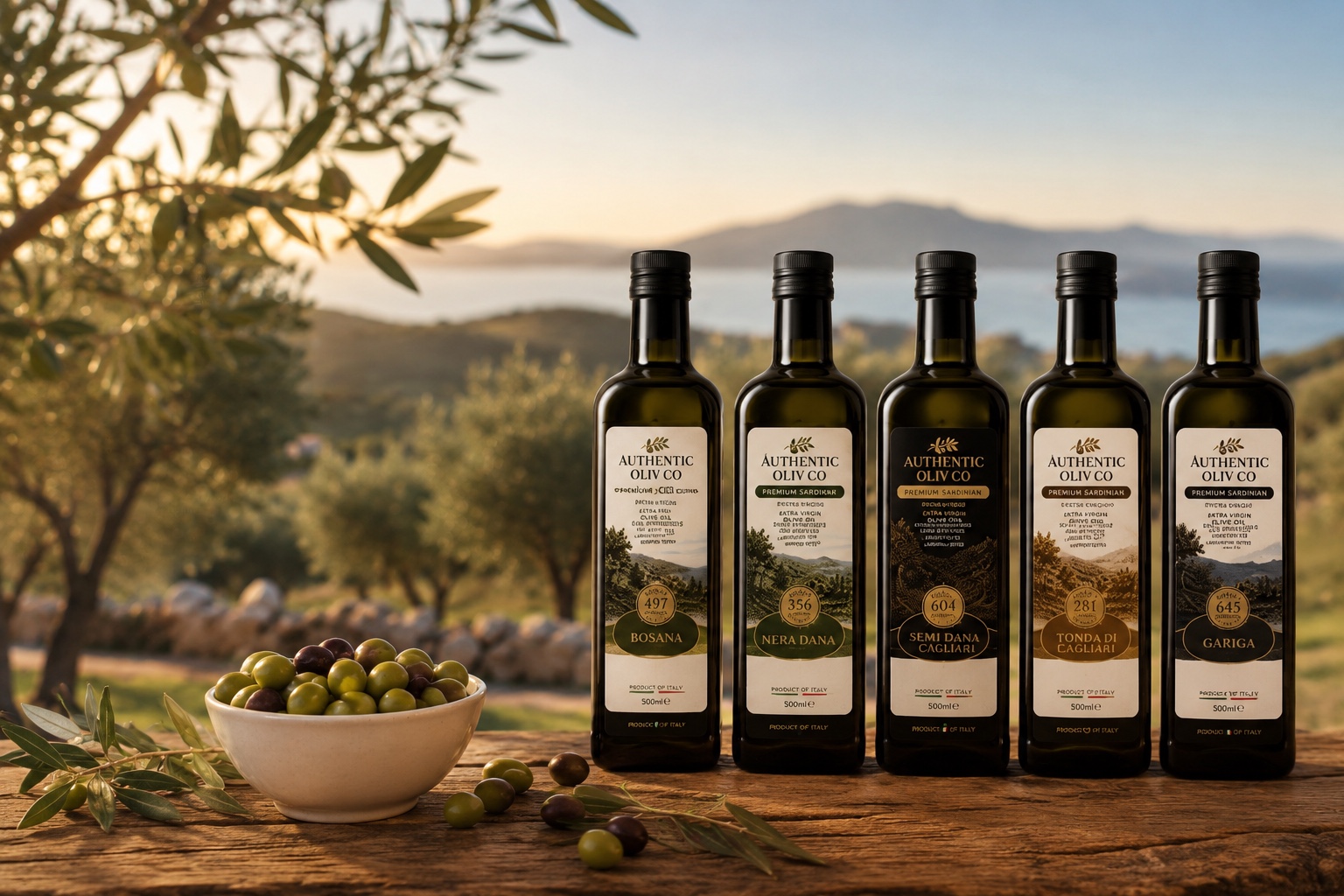
Good olive oil deserves protection
Good extra virgin olive oil is not just a cooking fat. It is a fresh product of the land, the harvest and the people who made it. When it is young and well made, it carries life: green aromas, fruitiness, bitterness and that beautiful peppery finish at the back of the throat.
But this character does not last forever.
The freshness of real extra virgin olive oil slowly fades when it is exposed to light, heat, air and time. That is why the way you store your bottle matters. If you want your olive oil to stay fresh, vibrant and peppery for longer, you need to protect it properly.
Why good olive oil can taste peppery
That gentle burn or tickle in the throat is not a defect. In many high-quality extra virgin olive oils, it is a sign of freshness and natural plant compounds, including polyphenols.
These compounds contribute to the bitterness, structure and peppery finish of the oil. They are part of what separates a real extra virgin olive oil from a flat, tired or mass-market oil.
A good olive oil should not taste like nothing. It should have presence. It should speak.
But the same qualities that make it special are also delicate. Poor storage can make a vibrant oil become dull, flat and lifeless much faster.
The four enemies of olive oil
The main enemies of olive oil are simple:
- Light.
- Heat.
- Oxygen.
- Time.
Protect your oil from these four things and you protect its flavour, aroma and peppery character.
Keep olive oil away from light
Light slowly damages olive oil and weakens its flavour. This is why premium olive oils are usually bottled in dark glass or tins.
Do not keep your bottle on a windowsill, open shelf or anywhere exposed to direct sunlight. Even if it looks beautiful on the kitchen counter, it is not good for the oil.
The best place is a dark cupboard or pantry.
Also avoid pouring good olive oil into a clear decorative bottle. It may look elegant, but clear glass gives the oil less protection. A dark glass bottle is much better for preserving freshness.
Keep it away from heat
Heat makes olive oil lose its fresh, green and peppery character faster.
Do not store your bottle next to the cooker, oven, radiator, dishwasher or above the hob. These are some of the worst places for good olive oil, even though they are convenient.
A premium extra virgin olive oil should be kept in a cool, stable place.
The ideal storage temperature is around 14–18°C.
A normal kitchen cupboard is fine, as long as it is away from heat sources and direct sunlight. Try to avoid keeping olive oil above 22–25°C for long periods, because warmer conditions speed up oxidation and make the oil age faster.
The key is not only cool temperature, but stable temperature. Olive oil does not like constant changes from cold to warm and back again.
Should olive oil be kept in the fridge?
Usually, no.
The fridge is not necessary for everyday storage. Olive oil may become cloudy or thicker when chilled. This does not mean it is damaged, but repeated chilling and warming is not ideal for keeping the best flavour.
For most homes, the best rule is simple:
Cool, dark, closed and stable
Around 14–18°C is ideal. A cupboard away from sunlight and heat is usually better than the fridge for daily use.
Always close the bottle properly
Oxygen is another major enemy of olive oil.
Every time the bottle is left open, the oil begins to lose some of its freshness. Always close the cap properly after use. Do not leave the bottle open while cooking or sitting on the table for a long time.
If you use a pourer, make sure it closes well. Open pourers may be convenient, but they can expose the oil to more air.
Good olive oil deserves to be protected, not left breathing on the counter.
Use it while it is fresh
Extra virgin olive oil is not wine. It does not improve with age.
Once opened, premium olive oil is best enjoyed within a few months. The fresher it is, the more alive it will taste — greener, brighter, more aromatic and more peppery.
Do not save your best bottle forever for a “special occasion”. The special occasion is using it while it is at its best.
Pour it over warm bread, grilled vegetables, soup, pasta, salads, fish, roasted potatoes or fresh cheese. Let it become part of the meal.
A great olive oil is made to be used.
How to know if olive oil has lost freshness
Fresh olive oil should smell alive. Depending on the variety, it may remind you of green olives, grass, herbs, tomato leaf, artichoke, almonds or fresh fruit.
When olive oil becomes old or badly stored, it may start to smell flat, waxy, greasy, stale or tired. The flavour may lose its bitterness and peppery finish. Instead of feeling fresh and structured, it may taste heavy and dull.
If the oil no longer has aroma, freshness or character, it has probably lost much of what made it special.
The simple storage rule
To keep your olive oil fresh for longer:
- Keep it cool.
- Keep it dark.
- Keep it closed.
- Use it while it is alive.
That is the simplest way to protect its natural flavour, aroma and peppery finish.
At Authentic Oliv Co, we select Sardinian extra virgin olive oils with real origin, character and life. These are not anonymous oils made to sit forgotten on a shelf. They are bottles of place, harvest and craft.
Store them well, and they will keep speaking — green, bitter, peppery and true.
A great olive oil is alive when it reaches your table. Protect it well, and enjoy it while it still carries the voice of the land it came from.